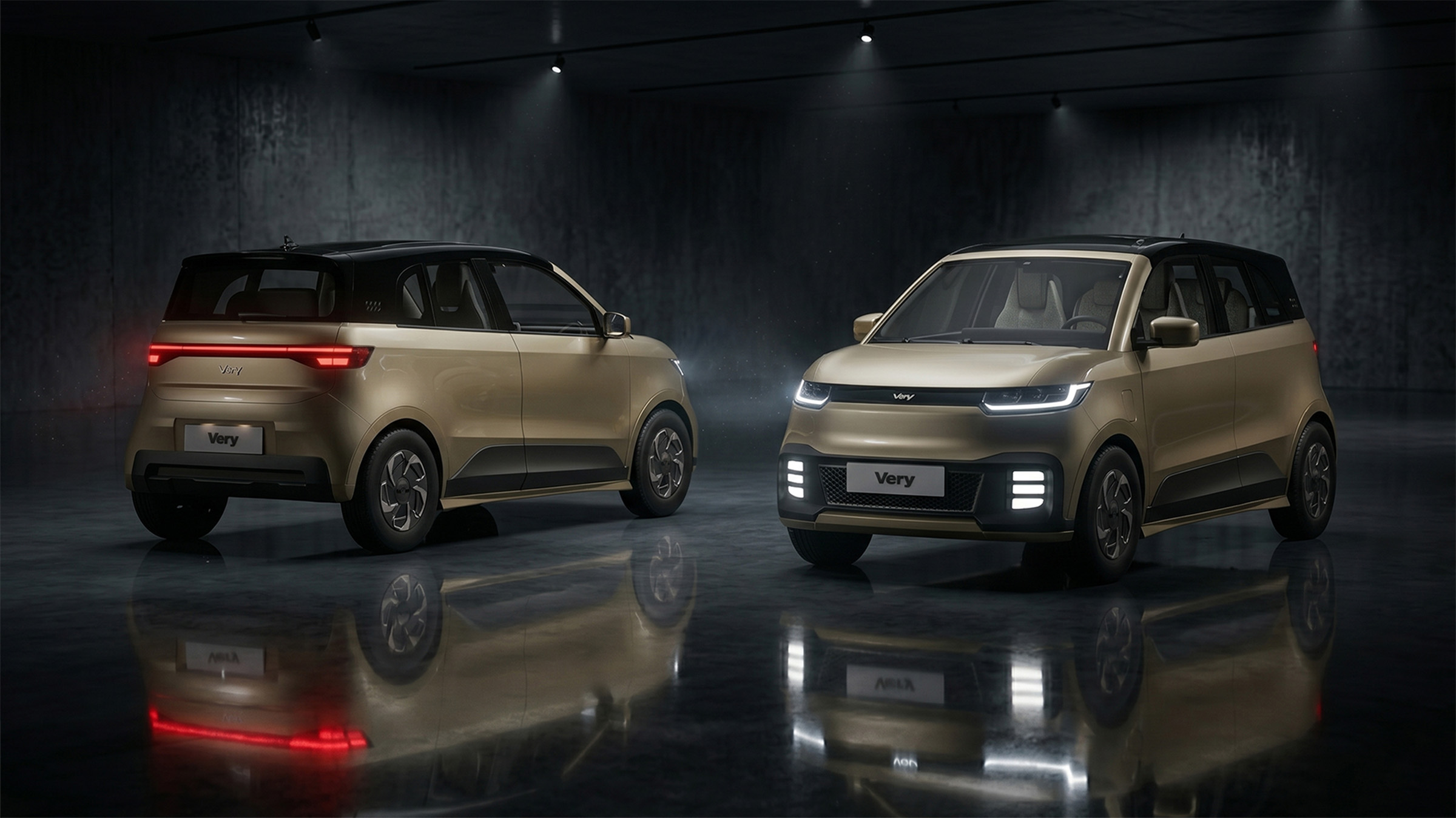
Türkiye's second domestic electric vehicle. The new generation L7e platform combines urban micromobility dynamics with passenger car safety, Class-A G2 surface architecture and lightweight thermoform-composite body engineering.
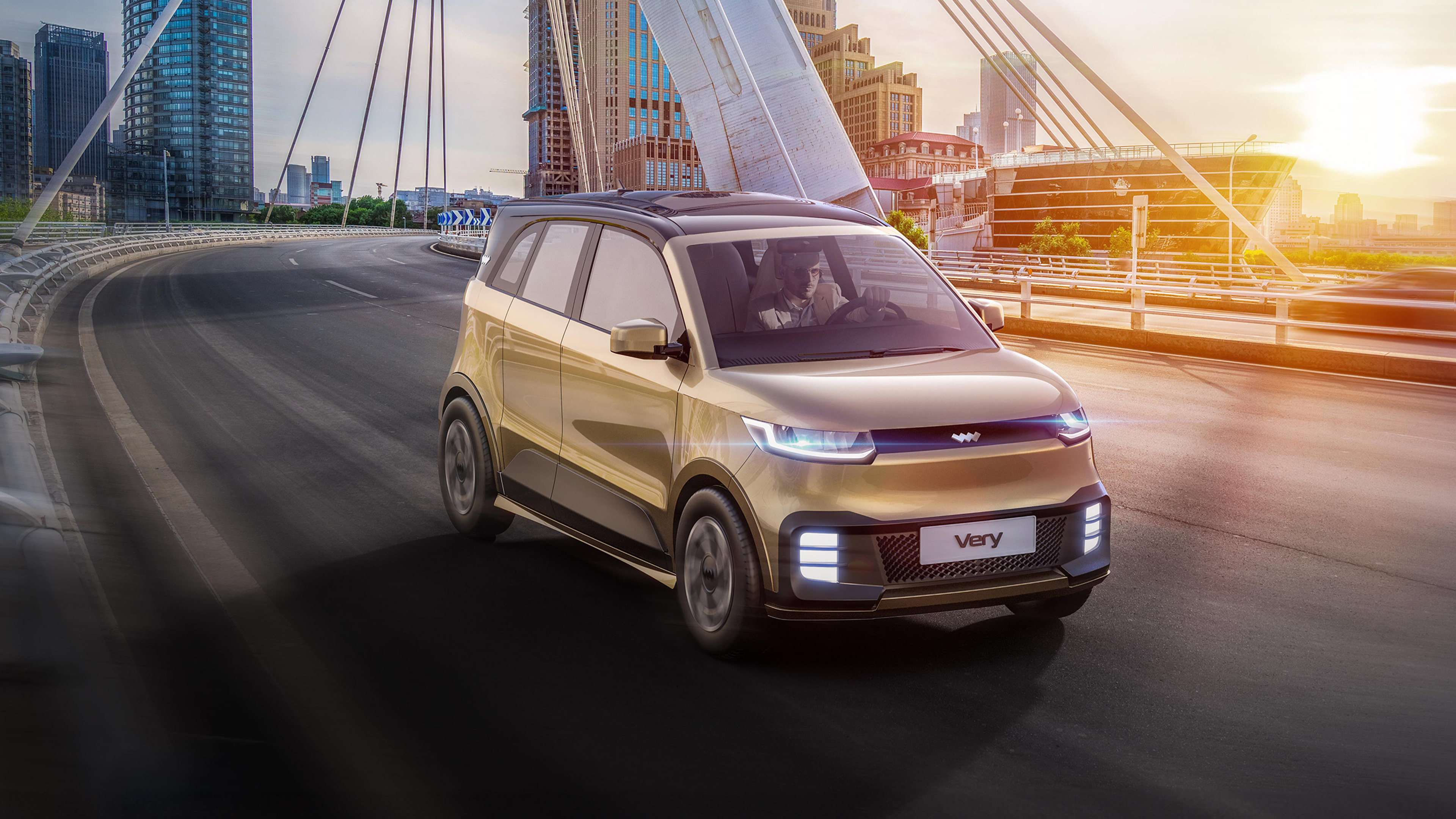
All exterior and interior industrial design processes of Turkey's second domestic electric car project,VERYand its commercial versionDELIVERY, were carried out by DesignPerest Studio. In this project, which we set out with the vision of modernelectric vehicle designand urban micromobility (L7e segment), it is not just a stylish car shell; We created an automotive design with iconic forms that centers on user experience.
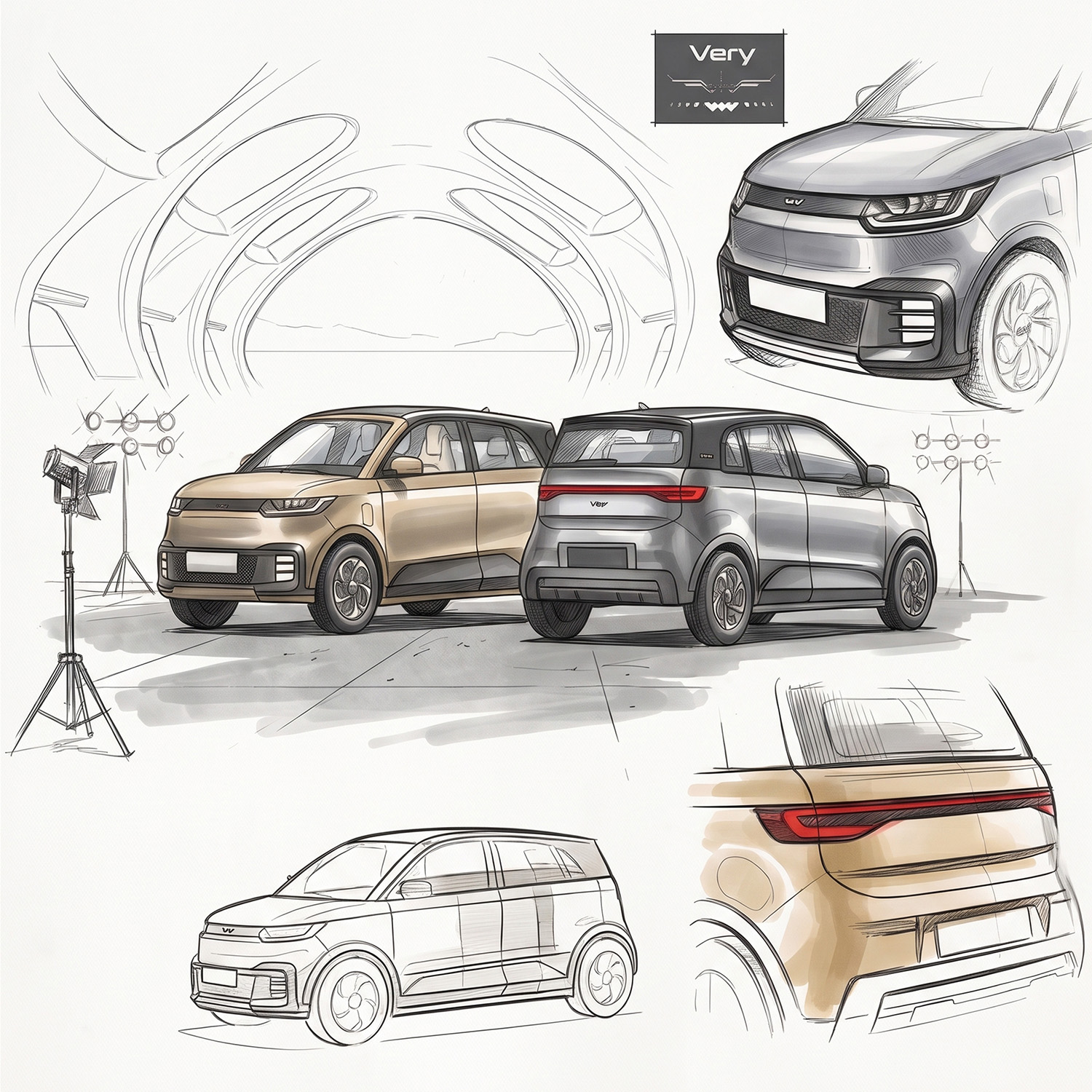
In the visionary development cycle that lasted 18 months; All visual and functional design decisions, starting from the first concept sketches on white paper, to 1:1 scale clay and proportion studies, industrial product design processes, digital surface modeling and prototype stages, bear the signature of our studio.
“VERY is shaping the micromobility of the future as Türkiye's second domestic electric vehicle family, with its L7e architecture that brings dynamism and sustainability to city life.”
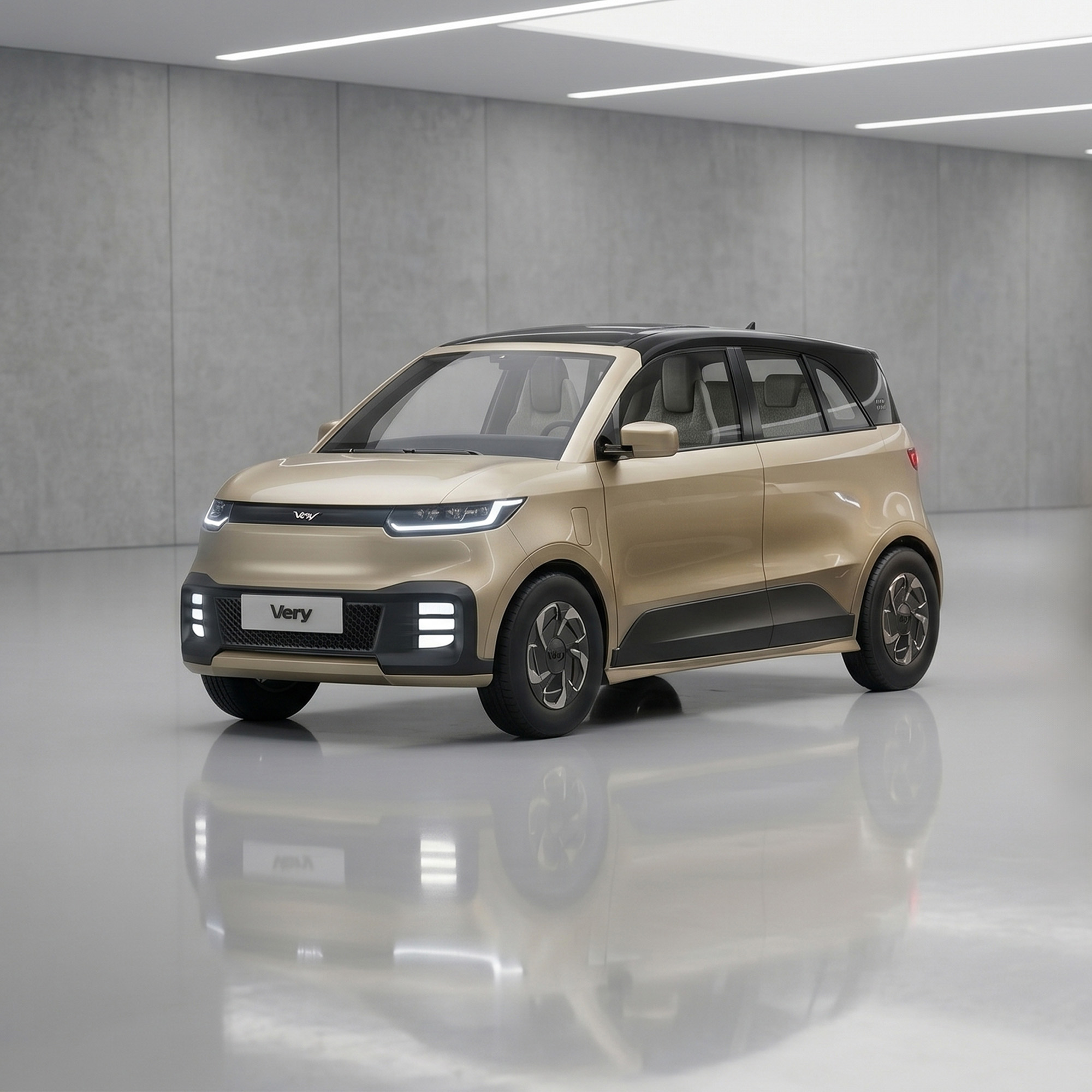
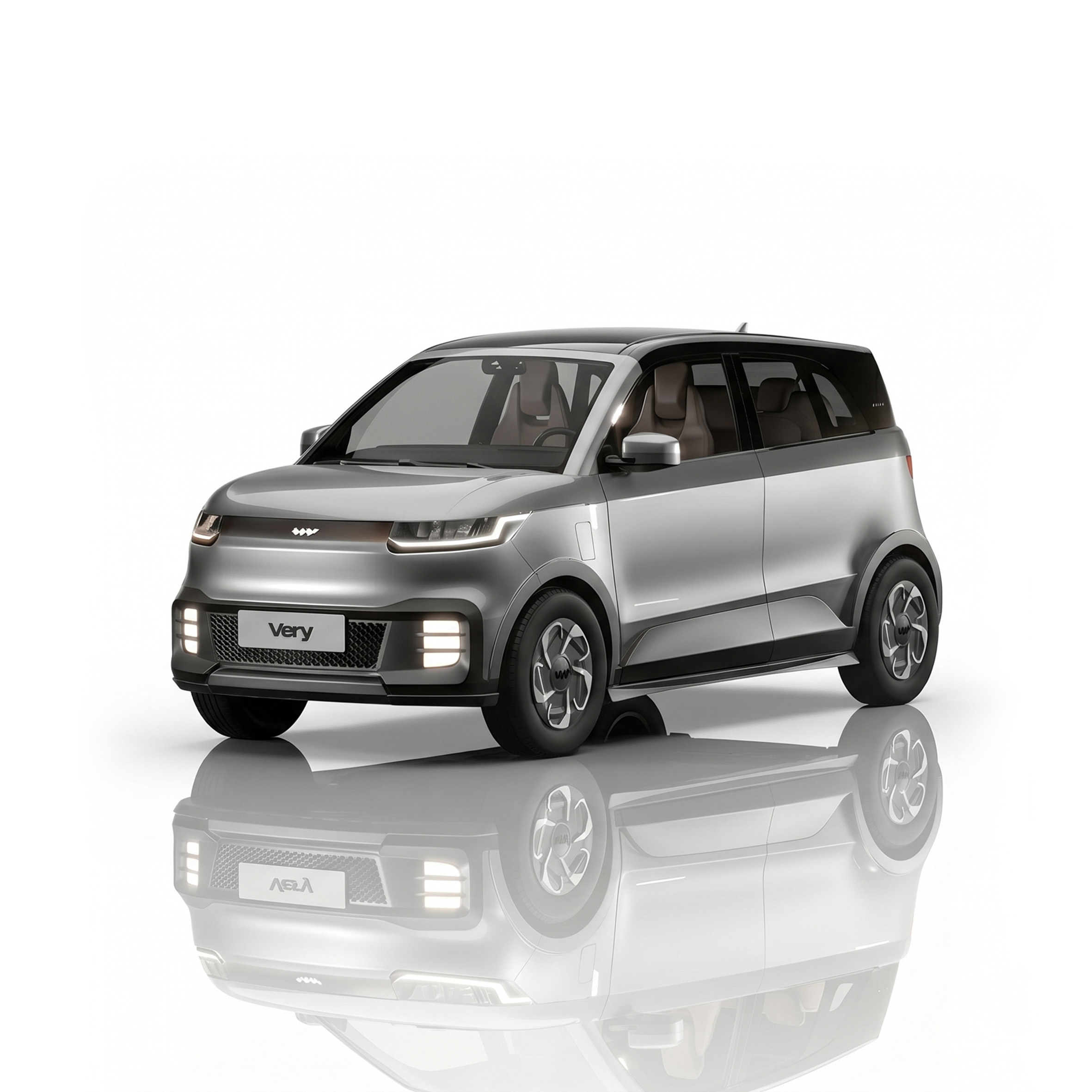
The compact L7e is the first search for a form that creates a high seating position and the perception of a passenger car within the limits of urban size.
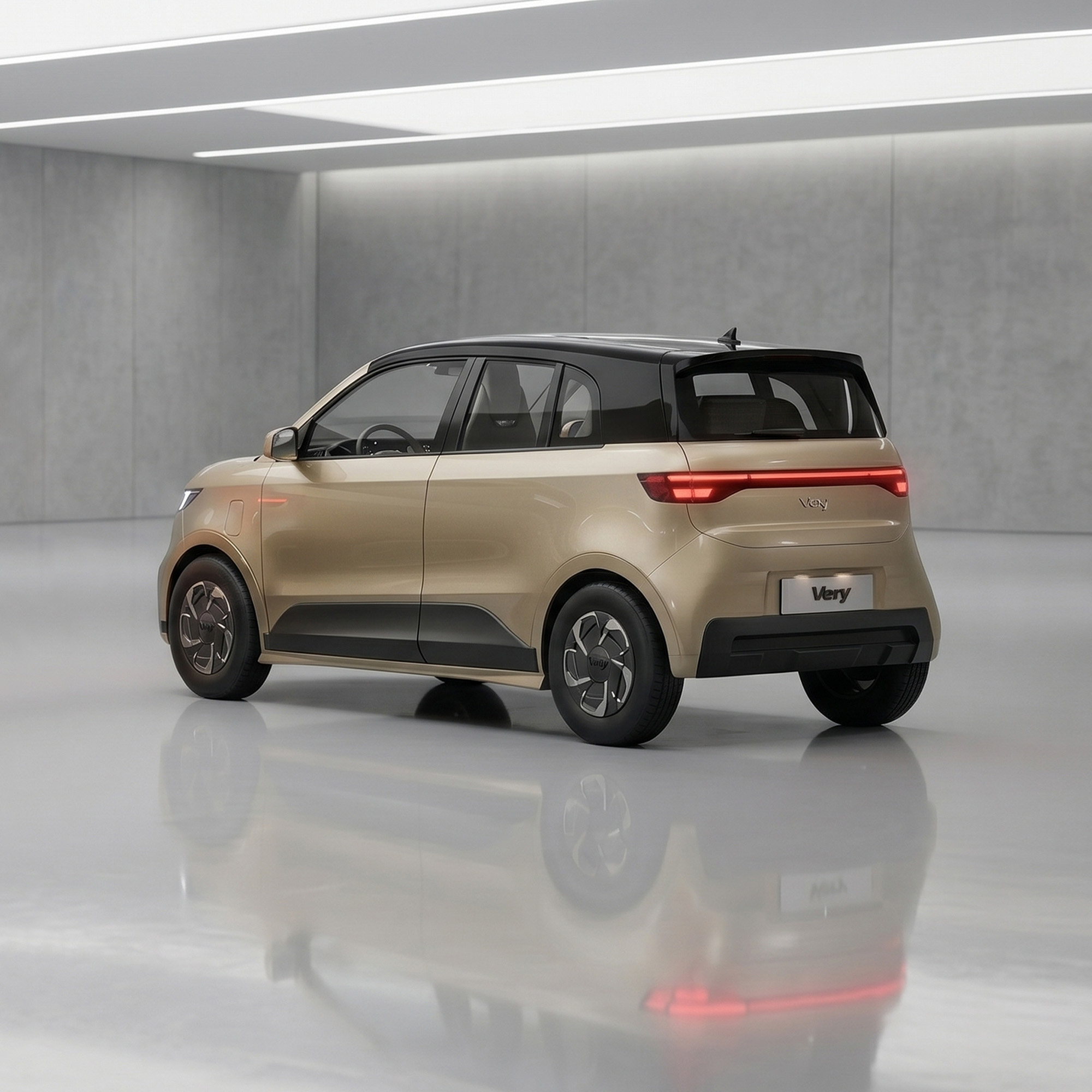
Class-A surface castings and digital volume studies in G2 continuity standard that perfectly manage light refractions.
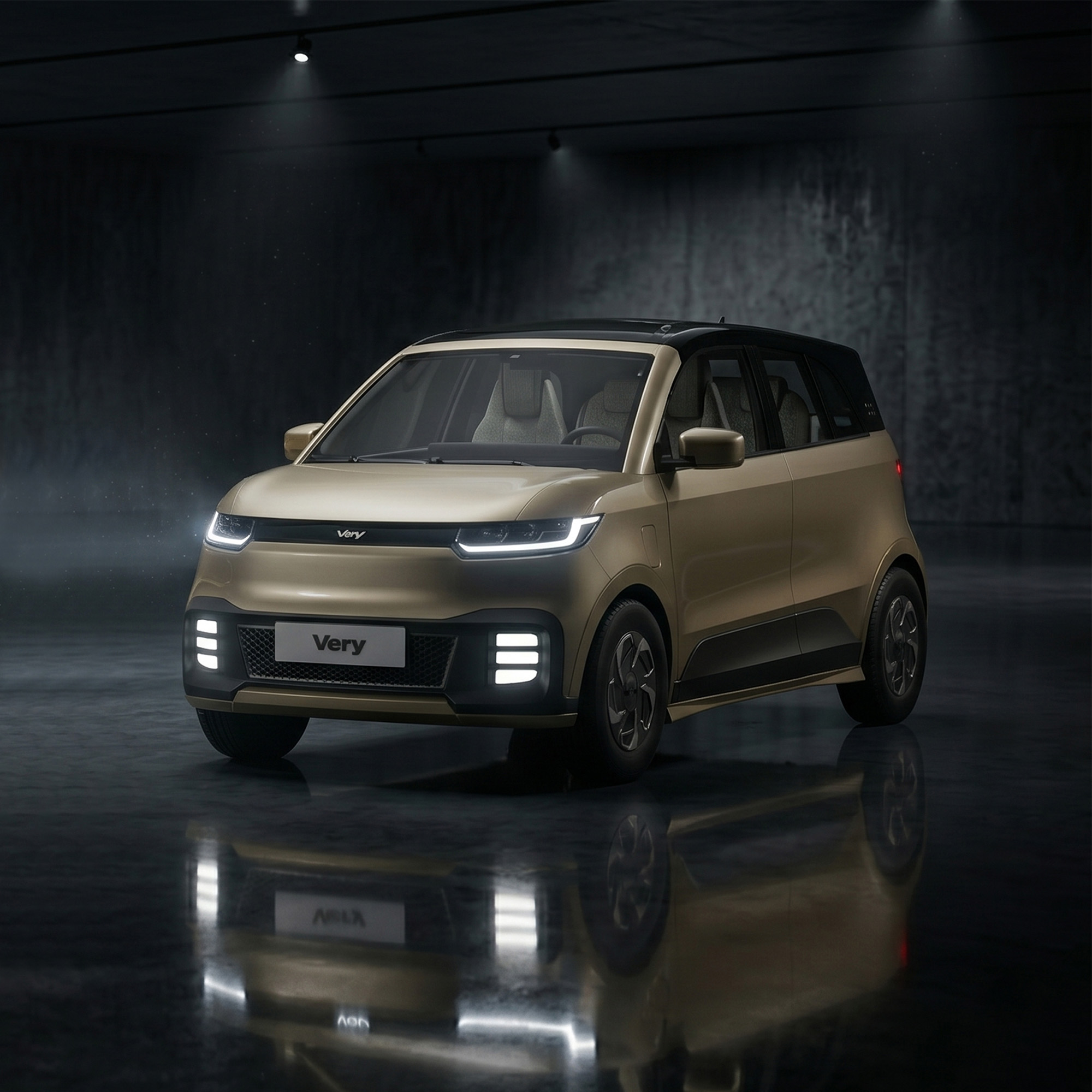
Physical verification of surface depth, A-pillar angle and shoulder line transitions in a shop environment at 1:1 scale.
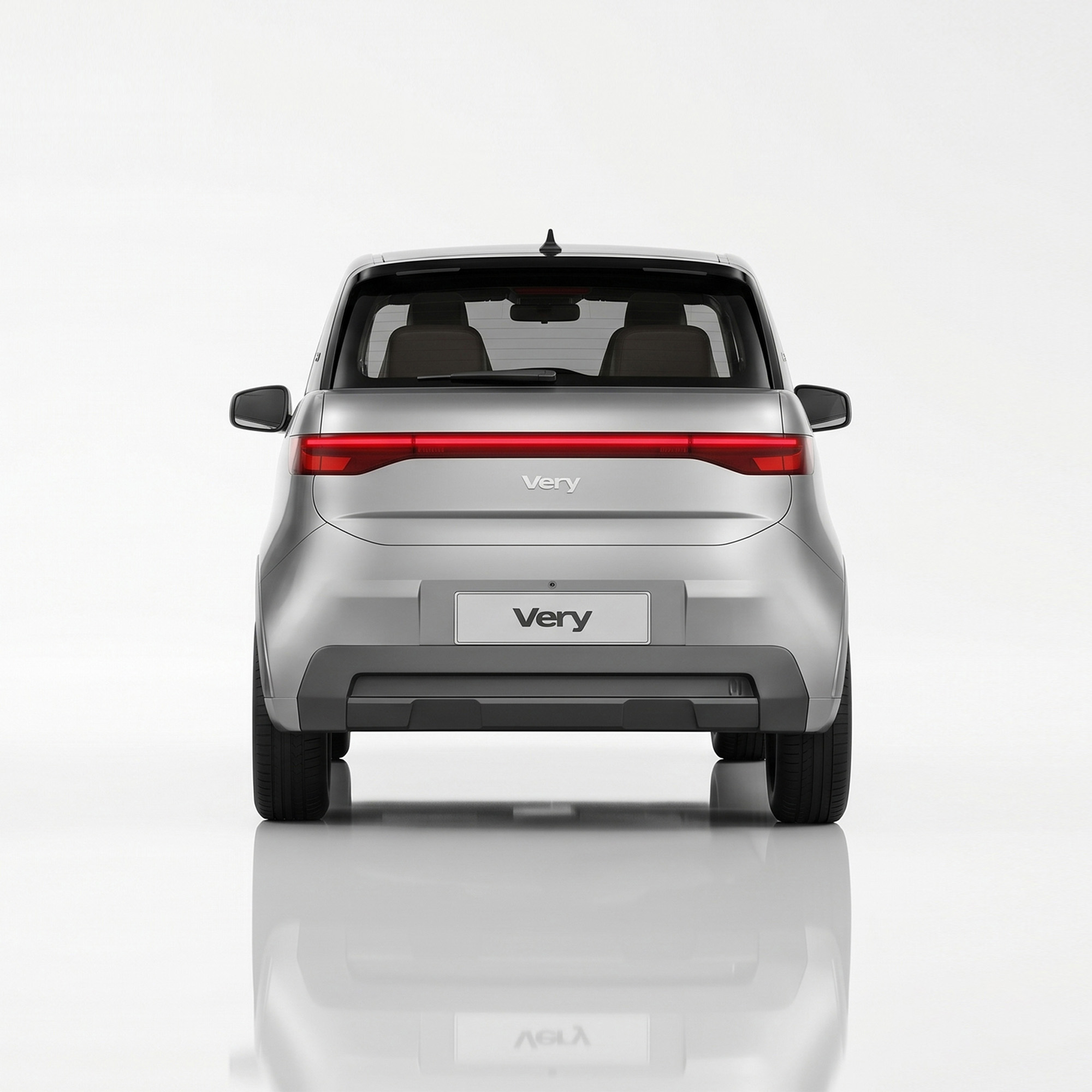
In aelectric vehicle design,aerodynamic efficiency is the most important factor determining range. In VERY's industrial exterior design; All characteristic lines, from the front nose slope to the A-pillar, from the dynamic flow of the roof line to the rear diffuser geometry, were drawn in a way to both minimize wind resistance (CFD tests: Cd 0.28) and add a strong character to the vehicle.
Thanks to Class-A surface castings, which are the pinnacle of automotive design standards, and the body built with G2 continuity quality, the vehicle exhibits an extremely premium and assertive stance on the road despite its compact L7e dimensions. The surface reflections, integrated aesthetics of the headlight groups and aerodynamic wake-vortex optimizations that ourDesign team focuses on instantly differentiate the vehicle from its competitors.
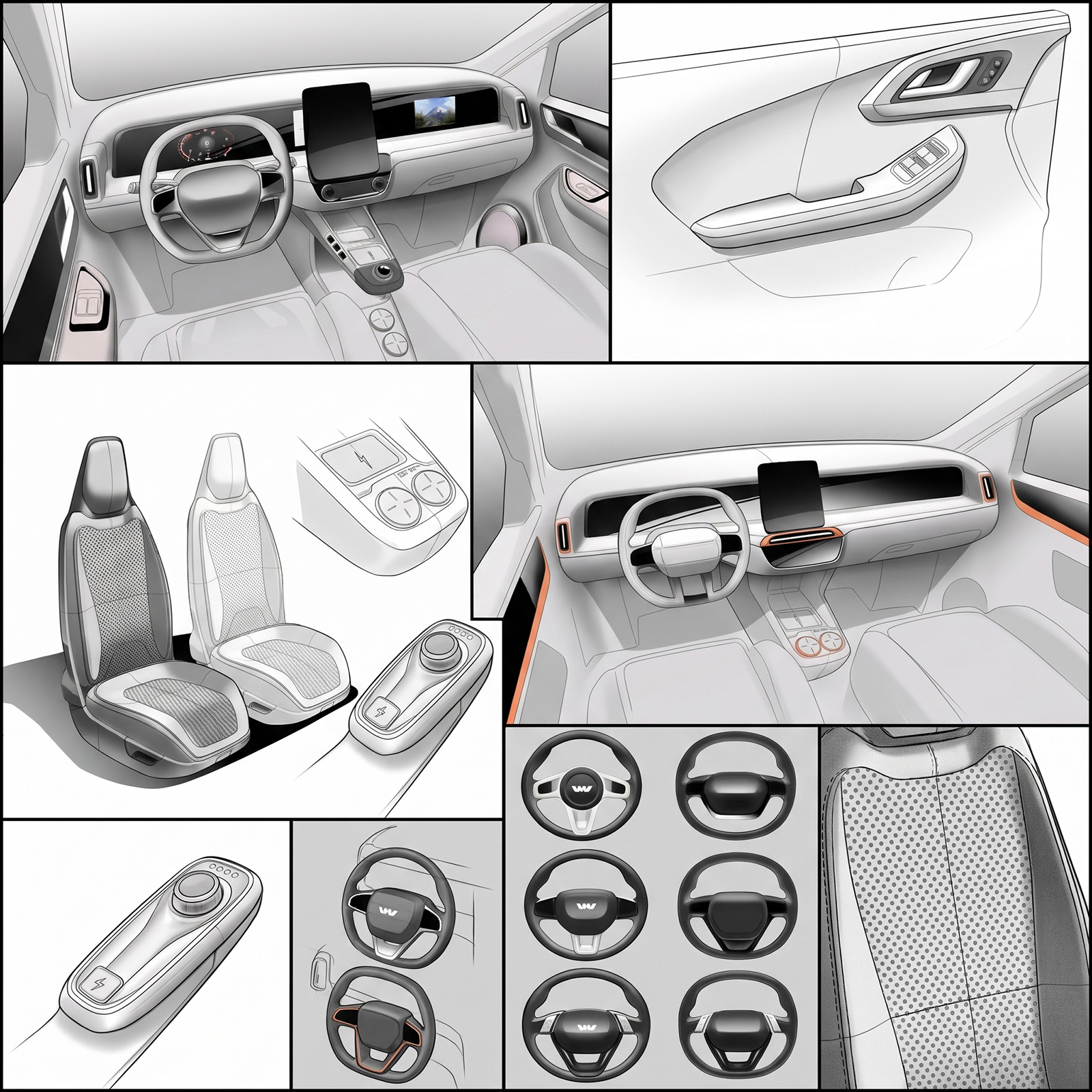
The biggest design constraint in the urban electric vehicle (L7e) segment is to fit a spacious and comfortable living space into compact external dimensions. DesignPerest industrial design team designed VERY's interior design with large glass surfaces, a lowered shoulder line and a minimalist console shifted forward, giving the driver a unique 120-degree panoramic viewing angle.
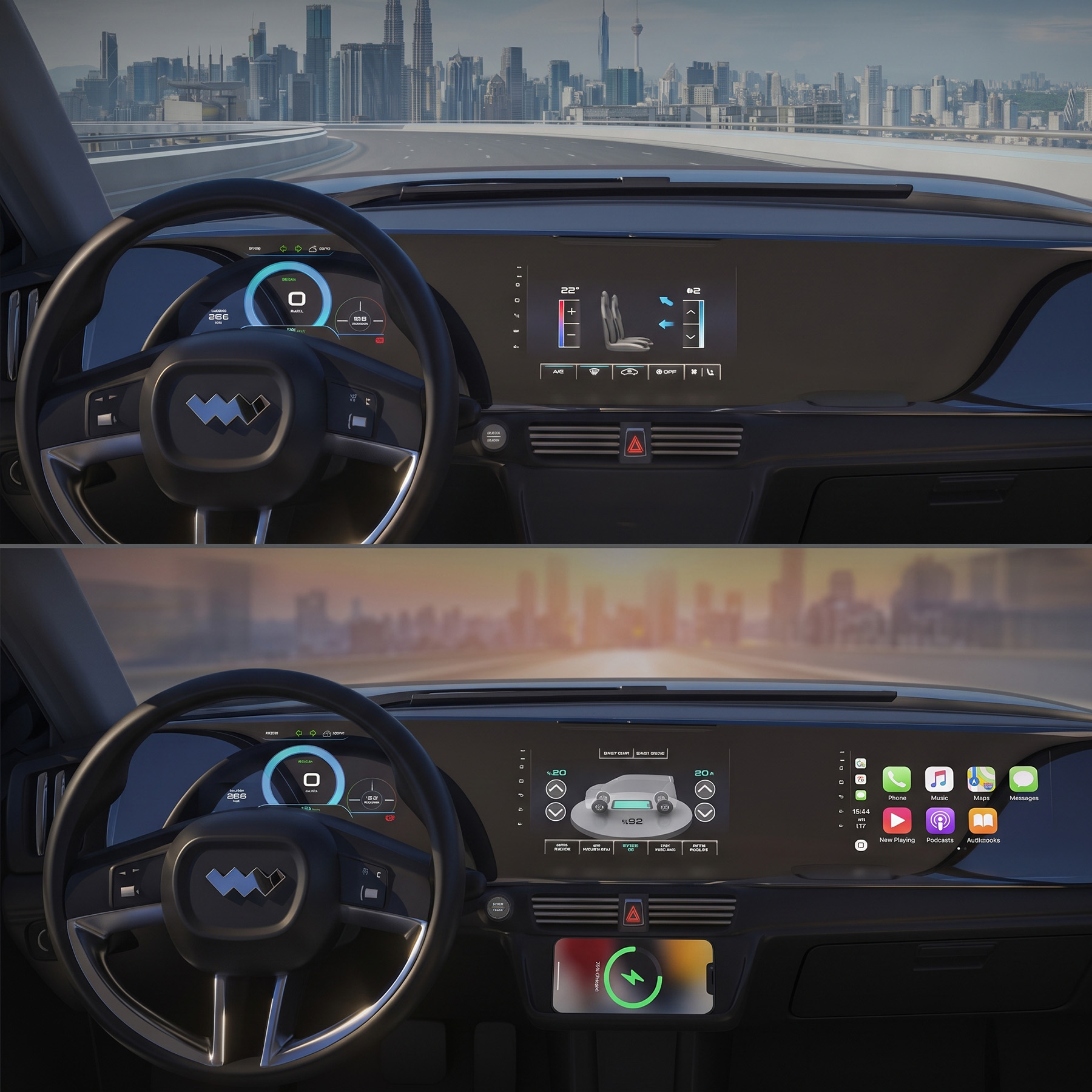
The driver-focused cockpit and intuitive digital interface (HMI) maximizes functionality in automobile interior design. A contemporary, technological and warmautomotive cabin designwas created by using recyclable matte polymers, breathable special textile upholstery and ambient lighting in our color, material and finish (CMF design) strategy.
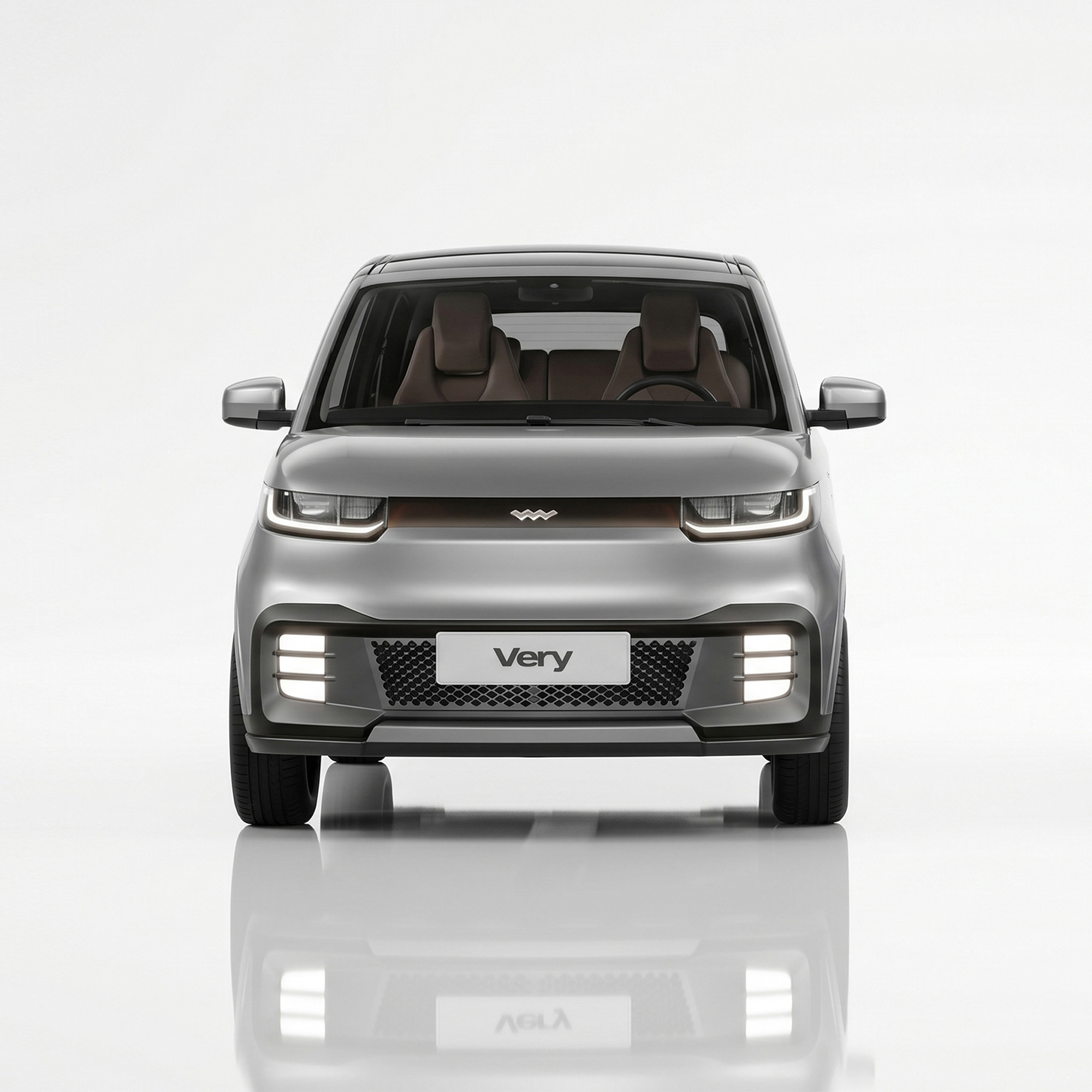
120-degree panoramic viewing angle, lowered shoulder line and spacious console layout that centers the driver.
Simple instrument panel that transmits telemetry, charge status and battery data without distracting from the road while driving.
Tactile recyclable polymers, wear-resistant textile upholstery and premium matte textures.
Following computer-aided design verifications, the workshop phase was started and the mold designs of thermoform and composite body panels were completed. The chassis and suspension geometry and the assembly tolerances of the panels were checked with millimetric precision on the physical part.
Walking prototype coming off the band; It was subjected to dynamic balance, turning radius, in-cabin sound insulation and track tests and it was certified that the design delivers the performance it promises not only on paper but also in real road conditions.
Light extrusion profiles, low center of gravity integrated battery pool and rigid safety cage.
Millimetric assembly of thermoform and composite outer shell panels providing low mold cost and lightness.
Workshop control of independent swing geometry, electric drivetrain and dynamic load distribution.
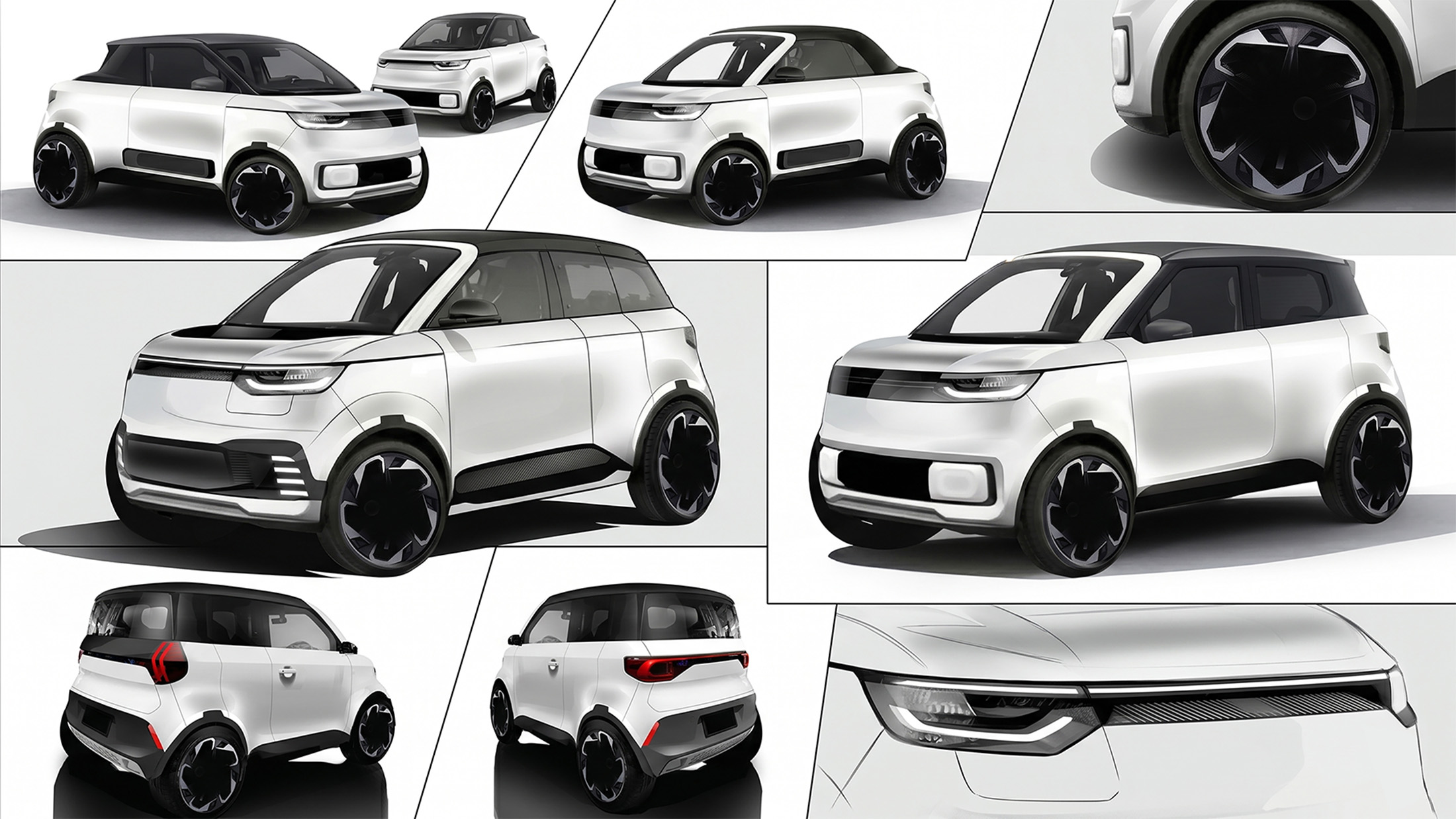
Optimized front nose, roof slope and diffuser flow lines with a drag coefficient target of 0.28 Cd.
In-cabin H-point offering 120° viewing angle, driver-focused digital cockpit and intuitive button layout.
Lightweight aluminum pipe frame, thermoformed ABS panels and rigid protection cage fully compliant with regulations.
DFMA standards suitable for fast thermoforming molds and modular station assembly with low tooling costs.
Urban L7e segment form language, search for proportions and first design sketches.
Class-A G2 surface transitions and volume studies in digital CAD environment.
Aerodynamic wind tunnel simulations, chassis and battery packaging architecture.
Thermoforming moulds, chassis production and physical assembly verification.
Dynamic balance, range, braking and cornering performance test in real road conditions.